
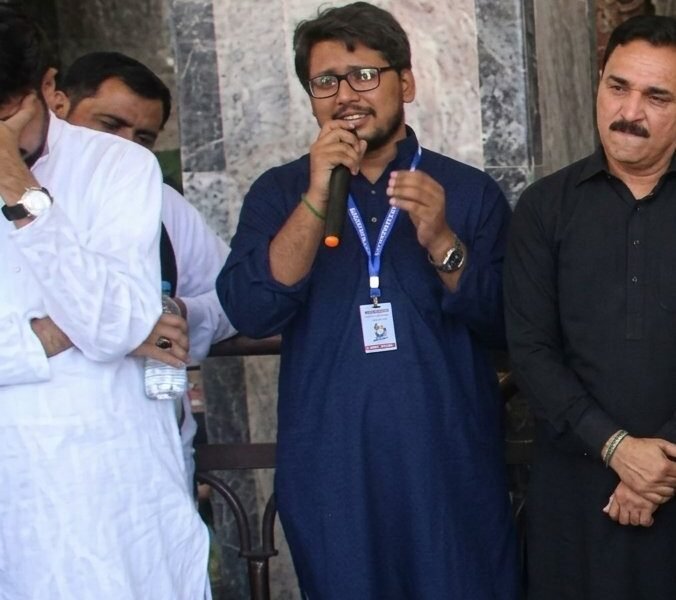
Why Every Group Travels With Ulema and Nohakhuwan
A Ziyarat is not a sightseeing trip. The difference between a good journey and a memorable one is usually the people leading it.
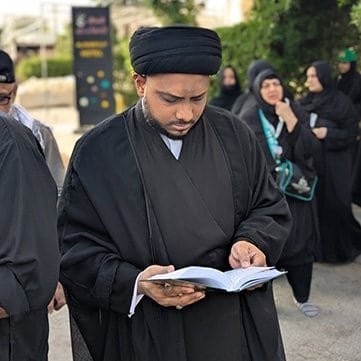
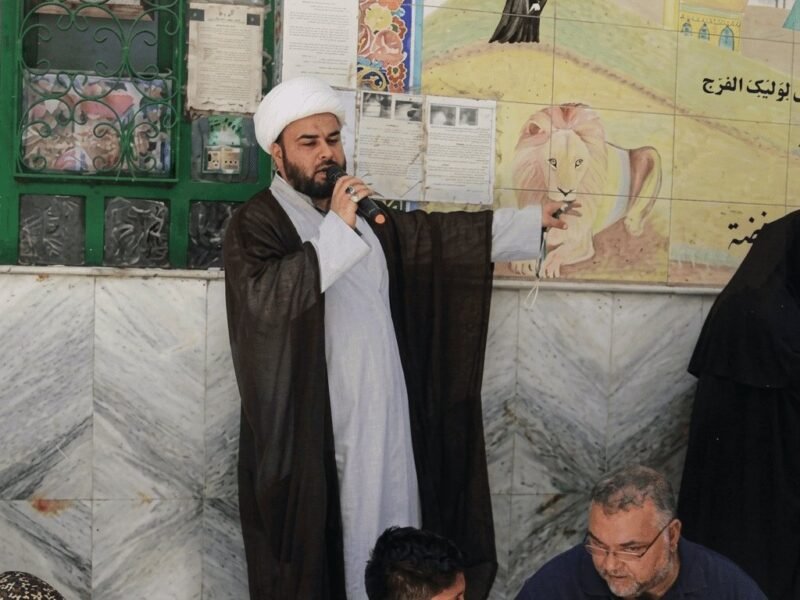
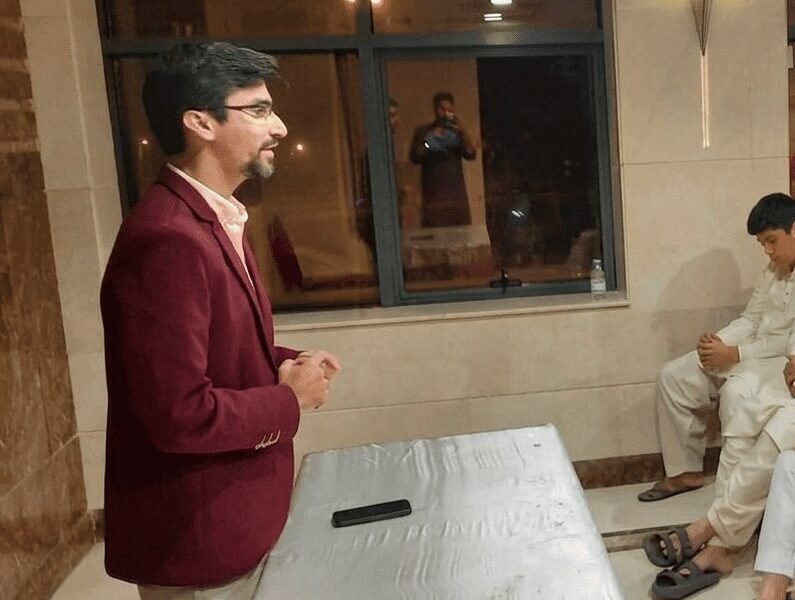
Every Karwan-e-Habib group travels with both a scholar and a Nohakhuwan. The scholar explains the history behind each shrine, leads the ziyarat recitations, and answers the questions pilgrims are often hesitant to ask.
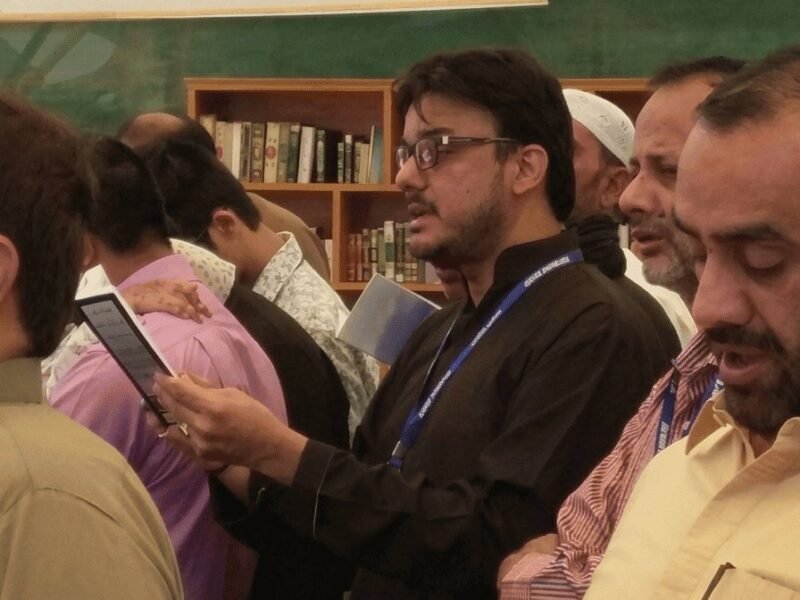
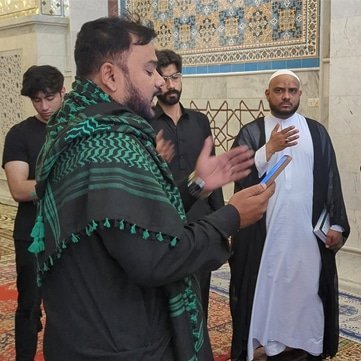
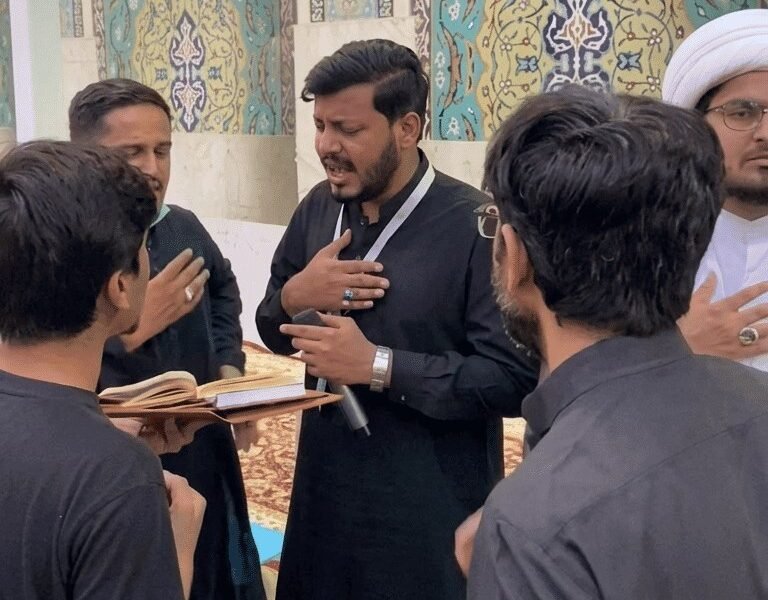
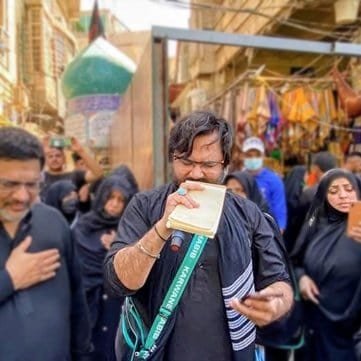
The Nohakhuwan leads the majalis and Azadari, which for most Zaireen is the part of the journey they remember longest.
Ulema and Nohakhuwan on Our Iraq and Iran Groups
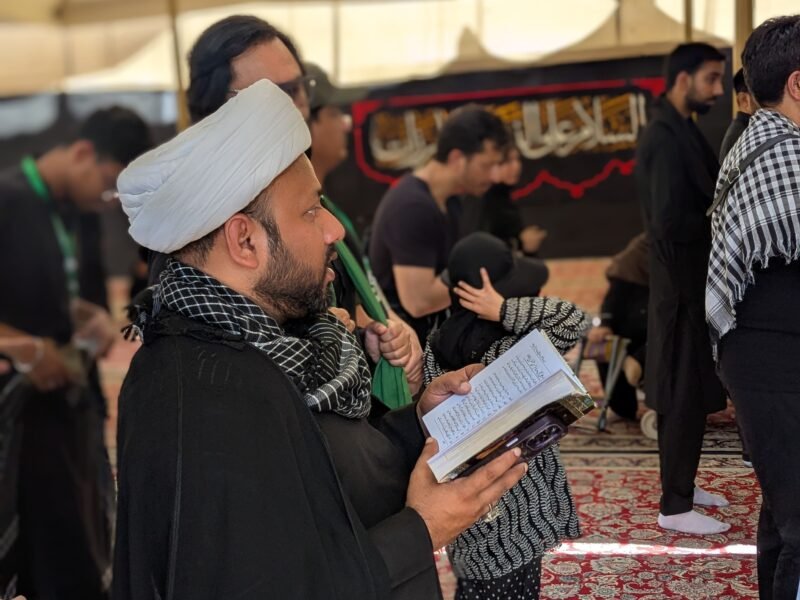
On Karbala, Najaf and Kazmain departures our scholars walk the group through the events of Ashura at the place they happened. The Nohakhuwan leads noha and matam at the haramain.
Iran groups to Mashhad and Qom follow the same pattern, with recitations timed to the ayyam of the departure. You can see which trips they accompany on our current Ziyarat and Umrah packages.
Guidance on Umrah Departures
Umrah groups travel with a scholar who guides pilgrims through the rituals step by step — ihram, tawaf, sai and the ziyarat of Madina.
This matters most for families performing Umrah for the first time. If that is you, our first-time Umrah guide covers what to expect before you travel.
What Our Ulema and Nohakhuwan Do on the Journey
The scholar accompanying a group handles the ziyarat recitations at each haram, gives a short majlis in the evenings, explains the history of the sites the group is standing in, and stays available through the day for questions about ritual and etiquette.
The Nohakhuwan recites noha and leads matam at the shrines and at the group majalis. On Arbaeen departures he continues through the walk itself.
Both travel with the group throughout. They are not local guides met at the airport, but part of the caravan from Pakistan and back.
Why This Matters When Choosing a Ziyarat Operator
Many operators quote a price that looks similar to ours until you ask who is leading the group.
A trip without a scholar leaves pilgrims to work out the ziyarat recitations themselves. A trip without a Nohakhuwan has no majalis at all. For most families from Pakistan, those two things are the reason for travelling in a group rather than independently.
It is worth asking any operator you compare us with the same question before you book. What each departure includes is set out on our packages page, and our about page covers how Karwan-e-Habib has run groups for over thirty-five years.
Which Scholar Will Lead My Group?
Scholar and Nohakhuwan accompaniment varies by package and by departure date, and is confirmed closer to travel.
Message us on WhatsApp with the departure you are considering and we will tell you exactly who is leading that group. The names listed above are the ones our Zaireen have travelled with most often and asked for by name.
What Pilgrims Tell Us Afterwards
The feedback we hear most often after a group returns is rarely about the hotel or the flight. It is about a majlis in Karbala, or the way a scholar explained something at Wadi-us-Salaam, or a noha recited at the Bayn al-Haramain that people still talk about years later.
That is the part of a Ziyarat that stays with pilgrims, and it is why we treat the choice of Ulema and Nohakhuwan for each departure as carefully as we treat the itinerary. You can read what returning Zaireen have said on our testimonials page.
Booking a Group With Ulema and Nohakhuwan
Seats on every departure are limited, and the groups accompanied by the most requested scholars tend to fill first. If a particular name matters to you, tell us when you enquire and we will let you know which upcoming departures he is confirmed on.
Passport submission deadlines apply to every group, and once a deadline passes the departure is closed. Booking early is the surest way to travel with the scholar and Nohakhuwan you want.